










A morning swim in Lake Tahoe took a frightening turn for a Reno swim instructor after a river otter reportedly attacked her near Hidden Beach.
Lynnette Bellin, 51, was swimming near the Nevada side of Lake Tahoe on Sunday, August 30, when she felt something grab her leg and pull her underwater. The force of the attack was so sudden that she initially believed another person had grabbed her.
It was only after turning around that Bellin realized she was being attacked by an otter.
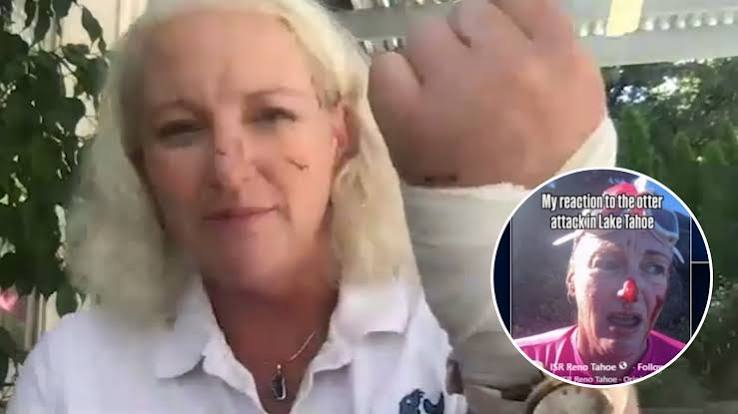
The encounter left her with bite and scratch injuries to several parts of her body. She needed 38 stitches, including 22 in her foot, and received rabies shots as part of her medical treatment.
The reported Lake Tahoe otter attack has attracted attention because encounters between river otters and people are considered rare.
What Happened in the Lake Tahoe Otter Attack?
Bellin was taking a regular open-water swim when the animal suddenly grabbed her leg.
She said the otter pulled her underwater, catching her completely off guard. Because of the strength of the pull, her first thought was that another swimmer had grabbed her.
When she turned and saw the animal, she realized what was happening.
Bellin said the otter continued coming at her with its teeth and claws. She tried to defend herself while making her way toward rocks near the shoreline.
The struggle lasted about five minutes, according to Bellin.
Eventually, she reached the rocks and was able to get out of the water. The otter did not immediately leave the area, and Bellin said she saw it continuing to circle nearby.
She then made her way toward the East Shore Bike Trail, where first responders eventually helped her. She was taken for medical care following the attack.
Swimmer Needed 38 Stitches After the Attack
The injuries from the Lake Tahoe otter attack were spread across several areas of Bellin’s body, including her face, hands, legs and foot.
Her foot suffered particularly serious injuries and required 22 stitches. Altogether, Bellin received 38 stitches following the encounter.
She also received rabies shots after being exposed to the wild animal.
That treatment does not mean the otter was confirmed to have rabies. The animal was never located after wildlife officials searched for it, so there was no confirmation that it was infected.

Rabies treatment following an animal bite or scratch is precautionary medical care when there is a possible exposure. It should not be taken as proof that an animal was carrying the disease.
Read More : Lake Tahoe Otter Attack Leaves Swimmer With 38 Stitches
Where the Lake Tahoe Otter Attack Happened
The reported attack took place near Hidden Beach on Lake Tahoe’s Nevada side, close to Incline Village.
Bellin was familiar with the area and had regularly swum there. She said she had spent decades swimming in Lake Tahoe without experiencing anything like this encounter.
The attack changed her view of swimming in the area, particularly because the incident happened during what had been an ordinary swim.
Following the report, the Nevada Department of Wildlife searched for the otter but was unable to locate it.
Officials were also working with Nevada State Parks on warning signs for the area and continued monitoring for additional reports.
Why Would a River Otter Attack a Person?
River otters generally keep away from people, which makes an attack such as the one reported by Bellin unusual.
The Nevada Department of Wildlife describes North American river otters as native predators in the Tahoe Basin and nearby waterways. Like other wild animals, they can react aggressively when they feel threatened or stressed.
An otter may also become defensive if it feels cornered or is protecting its young.
One possibility discussed after Bellin’s encounter was that she may have unknowingly come close to an otter that was protecting young. However, that remains only a possibility. Officials have not confirmed that this was the reason for the attack.
There is also no indication that Bellin intentionally approached or threatened the animal.
The incident is a reminder that even animals that normally avoid humans can behave differently when they feel under pressure.
Are Otter Attacks Common at Lake Tahoe?
No. According to wildlife authorities, attacks involving river otters and people are rare or uncommon.
The recent Lake Tahoe incidents, however, have brought renewed attention to the animals.
On August 9, 2026, Bob Daly was reportedly attacked by an otter while swimming near Pope Beach. He suffered bite and scratch injuries and received rabies vaccinations.
There have also been earlier reports involving river otters in the broader Lake Tahoe region. In 2023, swimmers at Serene Lakes in Placer County were attacked, with one person suffering numerous puncture wounds.
Although these incidents are unusual, they show that encounters between swimmers and wild otters can become dangerous under certain circumstances.
At the same time, the reports do not establish that Lake Tahoe is generally unsafe for swimmers because of otters. Wildlife officials continue to describe attacks on people as rare.

River Otters Are Native to the Lake Tahoe Area
Seeing an otter around Lake Tahoe is not unusual.
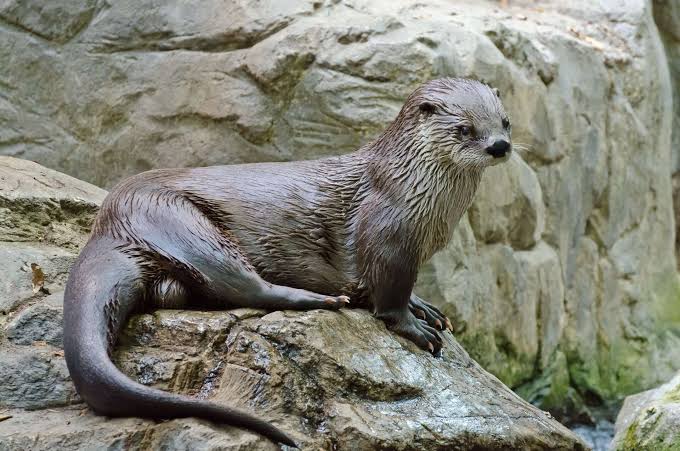
The Nevada Department of Wildlife identifies the North American river otter, scientifically known as Lontra canadensis, as native wildlife in the region.
These semi-aquatic mammals are suited to life in and around water. Their diet includes fish, frogs, crawfish and insects, and they can live in environments such as lakes, rivers, reservoirs and streams.
River otters are found throughout the Tahoe Basin as well as the Truckee River and connected waterways extending toward Pyramid Lake.
Their presence in the region is therefore normal. What makes the recent reports unusual is the direct interaction between the animals and swimmers.
What Should Swimmers Do If They See an Otter?
The safest approach is to keep your distance.
Wild otters should not be approached, fed, chased, touched or deliberately interacted with. Trying to get closer to an animal for a photograph can also create an unnecessary risk.
If an otter appears while you are swimming, focus on creating distance instead of moving toward it.
Stay calm and move toward shore when it is safe to do so. If the animal starts behaving aggressively or follows you, leave the water and get away from the area.
Do not attempt to catch, corner or handle the animal.
If the encounter becomes aggressive, reporting it to the appropriate local authorities can help officials monitor the situation and determine whether other visitors need to be warned.
The basic principle is simple: give wild animals plenty of space.
What to Do After an Otter Bite or Scratch
A bite or scratch from a wild animal should be taken seriously, even if the wound does not initially appear severe.
The Centers for Disease Control and Prevention recommends washing animal bites and scratches thoroughly with soap and water and seeking medical advice when there is a possibility of rabies exposure.
After an encounter with an otter, get away from the animal before dealing with the injury.
If there is serious bleeding, seek urgent medical attention. Clean the wound thoroughly with soap and water as soon as possible, then tell medical professionals which animal was involved.
It is also important to report the encounter to the appropriate wildlife or public-health authorities.
A healthcare professional can determine whether rabies treatment or protection against tetanus is necessary based on the circumstances of the exposure.
Anyone who may have been exposed to rabies should seek medical advice promptly rather than waiting for symptoms.
Is Lake Tahoe Still Safe for Swimming?
The Lake Tahoe otter attack was serious, but it does not mean that the lake is broadly unsafe for swimmers.
Wildlife officials continue to describe attacks by river otters as rare.
Lake Tahoe is also a natural environment where swimmers can encounter wildlife. The presence of an animal does not automatically mean it is dangerous. Problems can arise when people get too close, interact with wildlife or remain in an area where an animal is behaving aggressively.
For people who regularly swim in open water, paying attention to the surroundings is a sensible precaution.
Giving wildlife enough room can reduce the chance of a defensive encounter.
What Happens Next?
The otter involved in Bellin’s reported attack had not been located after wildlife officials searched the area.
Officials said there were no immediate plans to trap the animal because its behavior was considered to fall within the range of defensive behavior that can occur with wildlife. Monitoring was expected to continue, and warning signs were planned for the area.
For Bellin, the incident has also changed the way she thinks about swimming in Lake Tahoe.
Despite what happened, she has indicated that she hopes to return to the lake eventually. She may choose a different location when she does.
Frequently Asked Questions
Did an otter really attack a swimmer in Lake Tahoe?
Yes. Lynnette Bellin reported that a river otter attacked her while she was swimming near Hidden Beach on August 30, 2026. She suffered multiple bite and scratch injuries, received 38 stitches and underwent rabies treatment.
How many stitches did the Lake Tahoe swimmer receive?
Bellin received 38 stitches after the reported attack. Twenty-two stitches were needed for an injury to her foot.
Was the otter confirmed to have rabies?
No. There was no confirmation that the otter had rabies. Bellin received rabies shots following the exposure, but the animal was not found after officials searched for it.
Are river otters dangerous to humans?
River otters are wild animals with teeth and claws, but attacks on people are uncommon. They can become aggressive when they feel threatened, cornered or stressed, or when they are protecting their young.
What should you do if an otter approaches while swimming?
Give the animal plenty of space and move away from it. If possible, head toward shore. If the otter behaves aggressively or follows you, leave the water and seek assistance.
What should you do after an otter bite?
Move away from the animal, wash the wound thoroughly with soap and water and seek medical attention. A healthcare or public-health professional can determine whether rabies treatment or other medical care is needed.
Concluion
The Lake Tahoe otter attack involving Lynnette Bellin was an unusually serious wildlife encounter. The swimmer suffered injuries across several parts of her body, received 38 stitches and underwent rabies treatment after the August 30 incident near Hidden Beach.
Wildlife officials have emphasized that attacks by river otters on people remain rare.
For swimmers, the main lesson is straightforward: wild animals should be given plenty of room. Do not approach or interact with an otter, and leave the area if one begins acting aggressively.
As of September 2, 2026, the otter involved in Bellin’s reported attack had not been located. Officials continued monitoring the situation and encouraged people visiting the area to maintain a safe distance from wildlife.


1 Comment
Pingback: Trump Iran War: Will Midterms Change His Strategy