


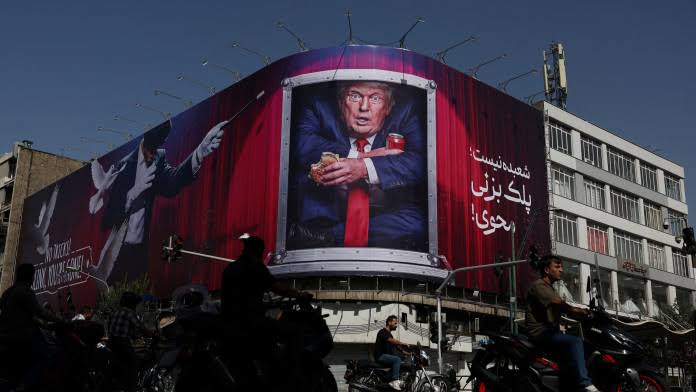
Trump Iran war strategy is facing growing political pressure as the 2026 midterm elections approach.President Donald Trump says the 2026 midterm elections will not determine how he handles the war with Iran. But with Americans divided over the conflict, Republicans defending narrow congressional majorities, and voters increasingly focused on economic pressures, the war could become an important political issue before Election Day.
The central question is no longer simply whether Trump will change his Iran strategy because of the elections. It is whether the political consequences of the conflict will create enough pressure to influence the administration’s decisions as November approaches.
The 2026 midterm elections are scheduled for November 3, putting the conflict and its economic consequences directly into the final months of the campaign.
Why the Iran War Could Become a Midterm Issue
Foreign policy does not always determine congressional elections. Voters typically weigh several issues, including the economy, inflation, employment and domestic policy.
The Iran war, however, has the potential to affect those domestic concerns.
Energy prices are one of the clearest examples. As the conflict affects regional stability and energy markets, Americans can experience its consequences through gasoline and other costs. A Reuters/Ipsos survey in August found that 58% of Americans expected gasoline prices to get worse because of the conflict, while only 15% expected them to improve.
That creates a political problem for Republicans.
Even voters who are not closely following military developments may notice higher costs at the pump. For candidates campaigning in competitive districts and states, the question can quickly become less about foreign policy and more about whether the administration is making everyday life more expensive.
This gives the Iran war a potential electoral impact that goes beyond traditional national-security debates.
Trump Says the Elections Will Not Dictate His Decisions
Trump has repeatedly presented his Iran policy as a matter of national security rather than electoral calculation.
His argument is straightforward: the president is not personally running in the 2026 congressional elections, even though he is expected to campaign for Republican candidates.
That distinction matters politically.
Trump can argue that decisions about Iran should be based on U.S. security objectives rather than the electoral interests of individual Republican lawmakers. His administration can therefore maintain that military and diplomatic decisions should not be changed simply because voting day is approaching.
But political independence has limits.
A president does not need to explicitly change strategy because of an election for an election to influence policy. Polling, congressional pressure, economic conditions, military developments and Republican candidates’ concerns can all affect the environment in which decisions are made.
That is where the Iran war becomes complicated.
Read More: Lake Tahoe Otter Attack Leaves Swimmer With 38 Stitches
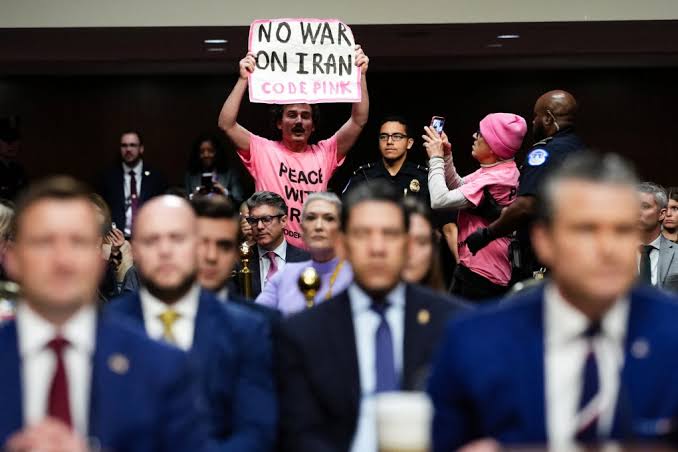
Public Opinion Is a Growing Challenge
The political risk becomes clearer when public opinion is examined.
A Reuters/Ipsos poll published August 31 found Trump’s approval rating at 33%, while Democrats appeared more energized heading into the midterms. The results suggested that Trump’s political standing could become a burden for Republican candidates rather than an automatic advantage.
Opinion on the Iran war has also remained difficult for the administration.
Earlier Reuters/Ipsos polling found that only about one in three Americans supported the war, while many respondents said Trump had not clearly explained the U.S. objectives in Iran.
That creates a difficult communications challenge.
If Trump argues that the conflict is necessary to protect U.S. interests, voters may still ask how long the war will last, how much it will cost and what the ultimate objective is.
If the conflict continues without a clear resolution, those questions could become increasingly important during the campaign season.
Republicans Face a Different Problem Than Trump
Trump may not be on the ballot, but Republican candidates are.
That distinction could become one of the most important political factors surrounding the Iran war.
A Republican senator or House candidate in a competitive race cannot necessarily afford to take the same political risks as the president. Candidates must consider the views of voters in their individual states and districts.
For some Republicans, strongly supporting Trump’s Iran strategy may help maintain support among the party’s core voters.
For others, particularly those in competitive areas, distancing themselves from an unpopular aspect of the administration could become politically attractive.
This creates a potential tension inside the Republican Party.
Trump wants loyalty and a unified message. Vulnerable candidates may instead want flexibility to respond to their local electorate.
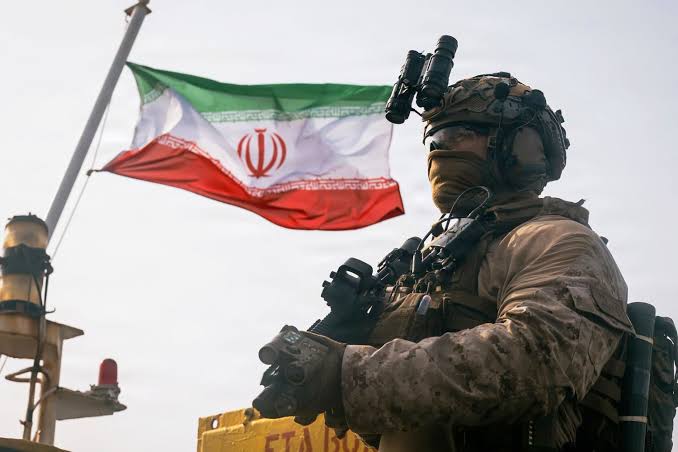
Could the War Change Trump’s Strategy?
There are several possible ways the election could influence Trump’s approach without requiring him to openly admit that politics changed his decisions.
1. A push toward negotiations
If military costs and public dissatisfaction increase, diplomacy could become more attractive.
A negotiated arrangement could allow the administration to argue that it achieved a strategic objective without allowing the conflict to continue indefinitely.
However, negotiations would also carry political risks. A deal that appears too weak could frustrate Trump’s supporters or opponents of Iran.
2. Containing the conflict
Another possibility is limiting escalation.
Recent reporting indicates that senior Trump aides are concerned about keeping the Iran war from becoming a larger political liability before the November elections. Reuters reporting cited by other outlets says officials want to prevent the conflict from escalating during the election period.
Containment would not necessarily mean ending the war. It could instead mean avoiding developments that dramatically increase U.S. casualties, energy prices or the geographical scope of the conflict.
3. Maintaining the current strategy
Trump could also decide that changing course would create greater political risks than staying the course.
If the administration believes its Iran objectives remain achievable, Trump may continue arguing that withdrawing or compromising too early would undermine U.S. interests.
This approach would put greater emphasis on explaining the conflict to voters and demonstrating measurable results before November.
The Economy May Matter More Than the Battlefield
One of the biggest mistakes in analyzing the political impact of the Iran war would be focusing exclusively on military developments.
For many voters, the most visible consequence may be economic.
Gasoline prices, inflation expectations and household expenses can influence voters more directly than details of military operations.
Reuters reported in August that a majority of Americans expected gasoline prices to worsen as the Iran conflict continued.
That matters because the political effects of a war are often indirect.
A voter does not necessarily have to oppose the military operation to become frustrated with its economic consequences.
A voter might support Trump’s broader security objectives while still blaming his administration for rising fuel costs.
That distinction could make the election debate more complicated than a simple pro-war versus anti-war argument.
What Happens If the War Ends Before November?
An end to major hostilities would significantly change the political calculation.
If Trump can point to a favorable outcome before voters head to the polls, Republicans could argue that the administration successfully dealt with the Iranian threat.
The political narrative could then shift from:
“Why is America still fighting?”
to:
“What did the administration achieve?”
But timing would matter.
A ceasefire or agreement would not automatically eliminate criticism. Voters could still judge the administration based on the cost of the conflict, casualties, economic disruption and whether the settlement appears durable.
Polling conducted earlier in the year showed substantial skepticism about whether an agreement with Iran would produce lasting peace.
So even a diplomatic breakthrough could create a second political question: whether voters believe it will actually last.
What If the War Continues Into Election Season?
A prolonged conflict could create a much more difficult environment.
The longer the war continues, the more opportunities there are for political complications.
Possible developments include:
- Higher energy prices
- Additional U.S. casualties
- Greater regional escalation
- Increased pressure from Congress
- Republican disagreements over foreign policy
- Stronger Democratic attacks on the administration
- Greater voter concern about the cost and purpose of the conflict
The political consequences would depend heavily on how voters interpret those developments.
A successful military outcome could strengthen Trump’s position. A prolonged and expensive conflict could have the opposite effect.
That uncertainty makes the months leading to November particularly important.
Can Democrats Turn Iran Into a Major Campaign Issue?
Democrats have an obvious opportunity: connect the war to broader concerns about Trump’s leadership and the economy.
The challenge is that foreign policy alone rarely guarantees electoral success.
Democratic candidates would need to explain why the Iran conflict matters to voters in their particular states and districts.
That could mean emphasizing fuel prices, government spending, national security or Trump’s decision-making rather than simply criticizing the existence of the war.
The strongest Democratic strategy may therefore be to connect the international conflict with issues voters already care about at home.
What the 2026 Midterms Could Reveal About Trump’s Influence
The election will also provide a test of Trump’s influence over Republican voters.
Trump remains a powerful figure within the Republican Party, but current polling shows that his overall approval is under pressure.
The 2026 elections could reveal whether Republican candidates benefit from his involvement or whether voters increasingly distinguish between Trump and the candidates running for Congress.
That distinction is especially important because Republicans are defending their congressional majorities.
According to Ballotpedia’s current election overview, Republicans entered the 2026 cycle with a 220–215 House majority and a 53–45 Senate majority, with Democrats needing substantial gains to take control of either chamber.
As a result, relatively small changes in voter preferences could have major consequences for congressional control.
Three Possible Outcomes Before November
The political situation can be viewed through three broad scenarios:
| Scenario | Possible Political Effect |
|---|---|
| Conflict ends with a favorable deal | Trump could argue that his strategy produced results and Republicans could campaign on the outcome. |
| Conflict remains contained | The administration may try to prevent the war from dominating the election while keeping its broader Iran policy intact. |
| Conflict escalates or costs rise | Republicans could face stronger pressure from voters concerned about casualties, energy prices and the length of the war. |
These are not predictions. The actual outcome will depend on military developments, diplomacy, economic conditions and voter sentiment during the final weeks of the campaign.
Will November Elections Actually Change Trump’s Iran Strategy?
The most realistic answer is: possibly, but probably indirectly.
Trump may continue insisting that the midterms do not determine his foreign-policy decisions. That does not mean the political environment is irrelevant.
Presidents operate within political systems. Congressional support, public opinion, economic conditions and the electoral prospects of their party all influence the choices available to an administration.
The latest reporting makes that tension particularly clear: Trump publicly maintains that the elections should not dictate his Iran policy, while reports indicate that members of his administration are concerned about preventing the conflict from becoming a larger political problem before November.
That difference between public messaging and political reality may become one of the defining questions of the campaign.
What to Watch Before Election Day
Anyone trying to understand whether the midterms are affecting Trump’s Iran strategy should watch five things:
- Gasoline and energy prices — Continued increases could turn the war into a domestic economic issue.
- Public approval of the war — A sustained decline would increase political pressure.
- U.S. military casualties — Major losses could dramatically change public debate.
- Diplomatic developments — Negotiations or a ceasefire could transform the political narrative.
- Republican candidate messaging — If vulnerable Republicans begin separating themselves from Trump’s Iran policy, it would signal growing electoral concern.
These indicators may reveal more about the political impact of the war than Trump’s public statements alone.
Concluion
Trump says the 2026 midterm elections will not determine his approach to Iran. But the political environment surrounding the war is becoming harder to ignore.
Low approval numbers, limited public support for the conflict, concerns about gasoline prices and the Republican Party’s need to defend congressional seats all create potential pressure on the administration.
That does not guarantee Trump will change course.
Instead, the bigger question is whether he can prevent the Iran war from becoming a defining liability for Republican candidates before November.
If the conflict produces a clear strategic or diplomatic success, Trump could enter the final campaign period claiming that his approach worked. If the war continues to generate higher costs, uncertainty and public dissatisfaction, Republican candidates may face a very different political reality.
For now, Trump’s Iran strategy and the 2026 midterms remain officially separate. In practice, however, the two are increasingly difficult to separate.
